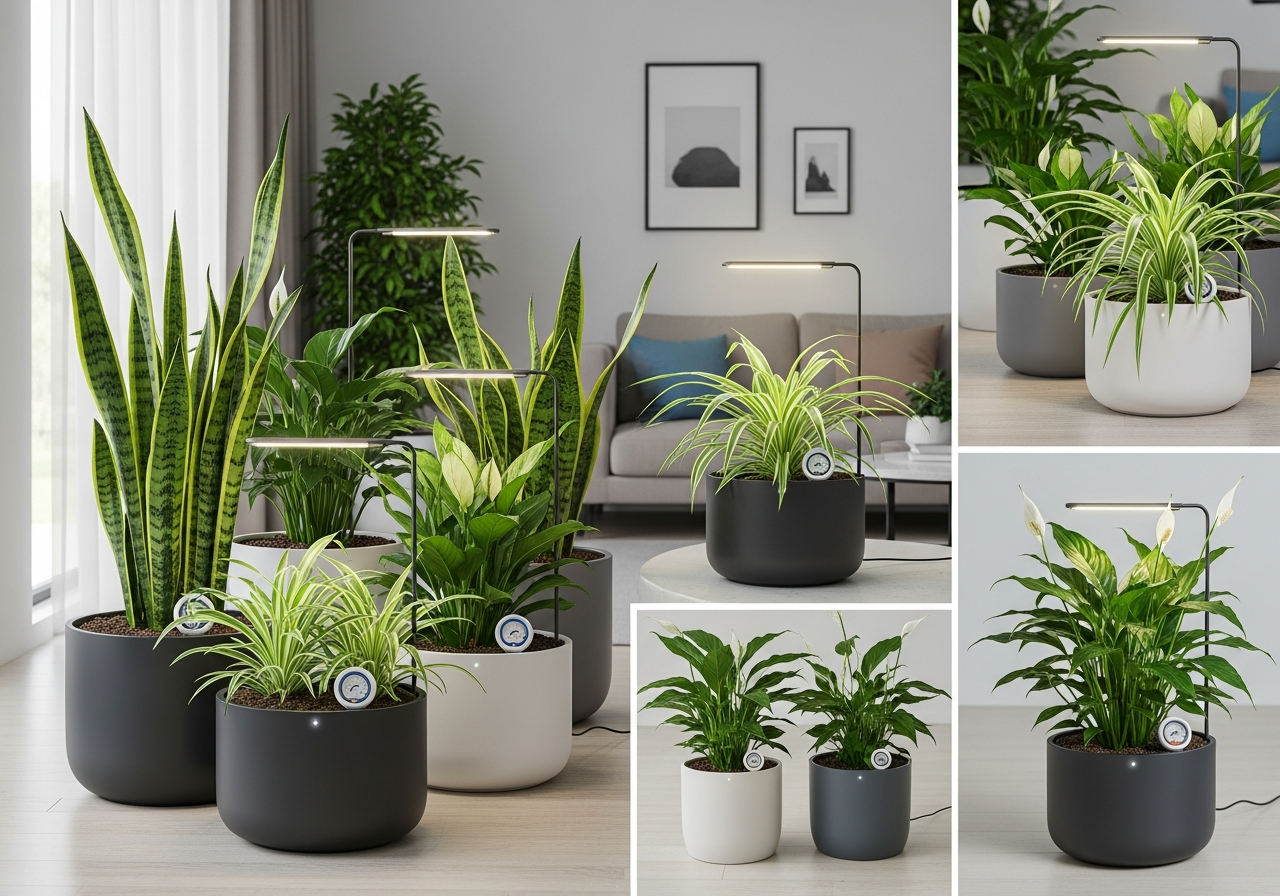
How to Build an Air-Purifying Indoor Garden
Indoor plants have been shown to filter common household toxins like formaldehyde, benzene, and trichloroethylene. NASA's famous Clean Air Study identified dozens of houseplants that actively improve indoor air quality. The best part? Many of these plants thrive in low-light conditions and require minimal care.
Best Air-Purifying Plants for Beginners
- **Snake Plant (Sansevieria)** — Nearly indestructible, thrives in low light, releases oxygen at night
- **Pothos** — Fast-growing vine that removes formaldehyde, tolerates neglect
- **Peace Lily** — Beautiful blooms, removes ammonia and benzene, prefers shade
- **Spider Plant** — Great for hanging baskets, removes carbon monoxide and xylene
- **Rubber Plant** — Bold foliage, effective at removing formaldehyde
Setting Up Your Indoor Garden
Start with **self-watering planters** to prevent overwatering — the number one killer of houseplants. Add a **grow light** for rooms with limited natural light. Use a **moisture meter** to take the guesswork out of watering schedules. Group plants together to create a humidity microclimate they'll love.
Tips for Success
- Choose pots with drainage holes or use nursery pots inside decorative covers
- Water when the top inch of soil is dry — not on a fixed schedule
- Wipe leaves monthly to remove dust and improve light absorption
- Rotate plants quarterly so they grow evenly
- Start with 3-5 plants and expand as you build confidence
Common Mistakes to Avoid
- Overwatering — more houseplants die from too much water than too little
- Placing low-light plants in direct sunlight — it scorches their leaves
- Using soil without proper drainage — always use a well-draining potting mix
- Ignoring humidity — most tropical houseplants need 40-60% humidity