Starting Your Beekeeping Journey
Beekeeping has surged in popularity as people look for ways to connect with nature, support pollinators, and harvest their own honey. It's a hobby that requires some investment upfront, but the rewards — both tangible and spiritual — are well worth it. Start with the right gear and a willingness to learn, and you'll be amazed at what these tiny creatures can teach you.
Essential Equipment for New Beekeepers
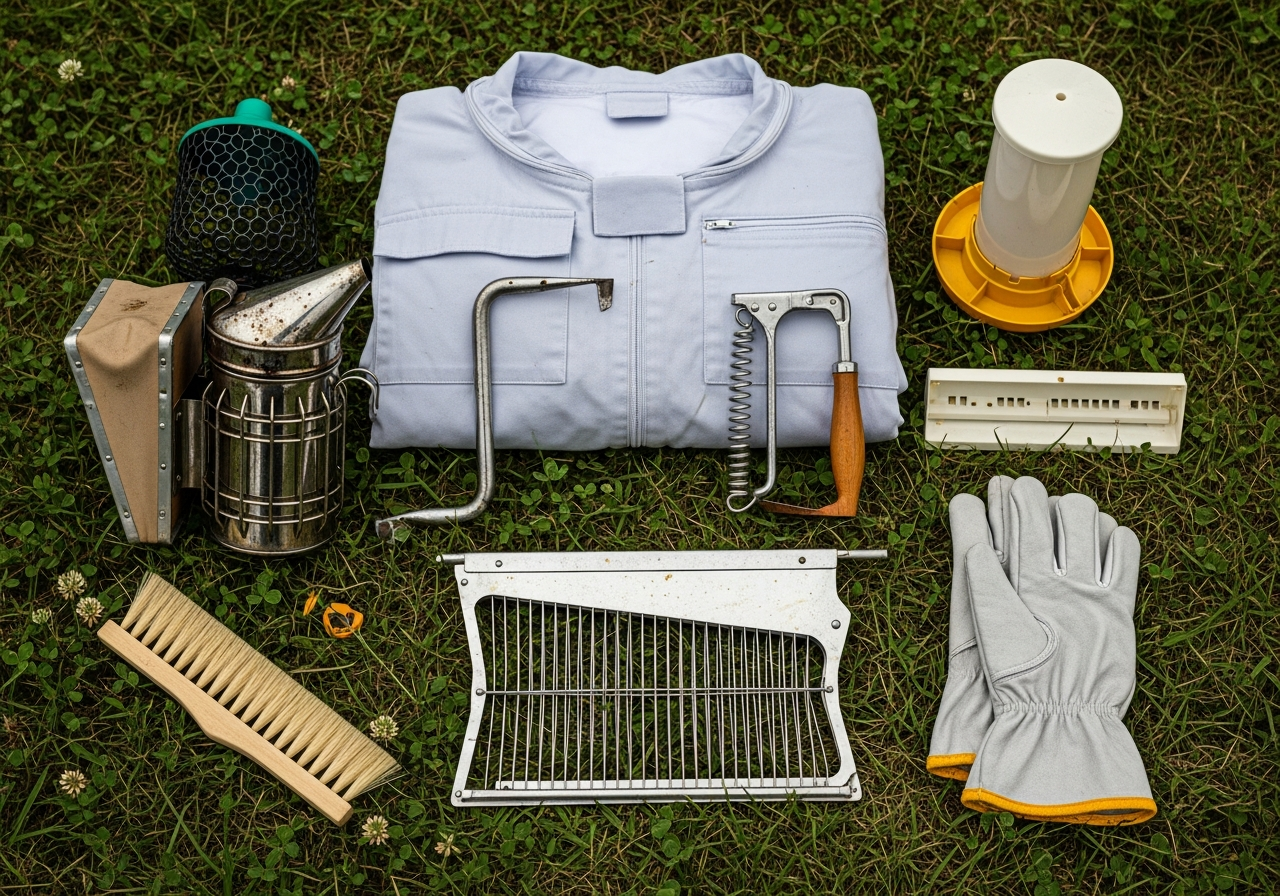
Safety comes first: a **bee suit or jacket with veil** protects you during hive inspections. A **smoker** calms the bees and makes inspections smoother. The **hive tool** is your most-used implement — it pries apart frames, scrapes wax, and helps with every inspection. A **bee brush** gently moves bees off frames when you need to inspect or harvest.
Tips for First-Year Beekeepers
- Take a local beekeeping class or join a bee club before your bees arrive
- **Start with two hives** if possible — it lets you compare and share resources between colonies
- Inspect your hive every 7-10 days during the active season
- Feed your bees sugar syrup in their first year to help them build comb
- Keep a hive journal to track observations and learn patterns
Common Mistakes to Avoid
- Opening the hive too often or in bad weather
- Not treating for Varroa mites — they're the #1 threat to honeybee colonies
- Harvesting too much honey in the first year — leave enough for the bees
- Placing hives in full shade — bees prefer morning sun and afternoon shade