Getting Started with Cold Plunge Therapy
Cold water immersion has been used for centuries, but it's recently gained mainstream attention thanks to athletes, biohackers, and wellness advocates. The science backs it up: regular cold exposure can reduce muscle soreness, lower inflammation, improve mood through dopamine release, and even strengthen your immune system. The hardest part? Getting in.
Setting Up Your Home Cold Plunge
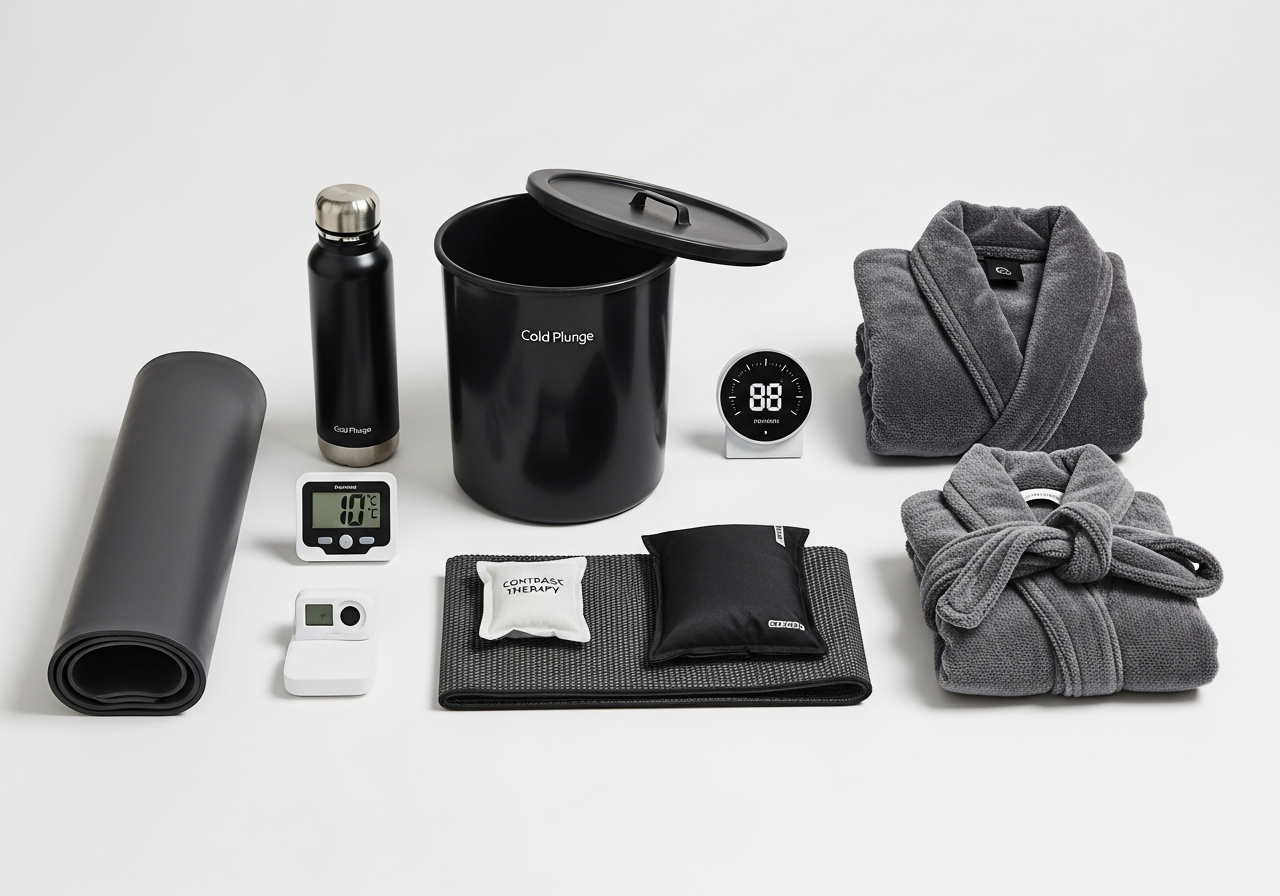
You don't need a $5,000 commercial cold plunge to get started. A **portable ice bath tub** or even a large stock tank works perfectly. Add bags of ice or use a **submersible chiller** if you want consistent temperatures without the hassle. A **waterproof thermometer** is essential — you want to hit the 50-59°F (10-15°C) sweet spot. And a **timer** helps you track your sessions as you build tolerance.
Building Your Cold Plunge Routine
- Start with just **1-2 minutes** and work up to 5-10 minutes over weeks
- Water temperature between 50-59°F is ideal for beginners
- **Focus on your breath** — slow, controlled breathing calms the shock response
- Cold plunge after workouts for recovery, or in the morning for an energy boost
- Always have a warm towel or robe nearby for after
Safety Tips and Common Mistakes
- Never cold plunge alone if you're a beginner — have someone nearby
- Don't jump straight to extremely cold water — build tolerance gradually
- Avoid cold plunge if you have heart conditions without consulting a doctor
- Don't stay in too long trying to be tough — hypothermia is real
- Warm up gradually after — avoid hot showers immediately, let your body reheat naturally