The Complete Home Emergency Preparedness Guide
Whether it's a power outage, severe storm, or unexpected emergency, being prepared makes all the difference. You don't need a bunker — just a well-stocked kit with the essentials that keep you safe, informed, and comfortable until normalcy returns.
What Every Emergency Kit Should Include
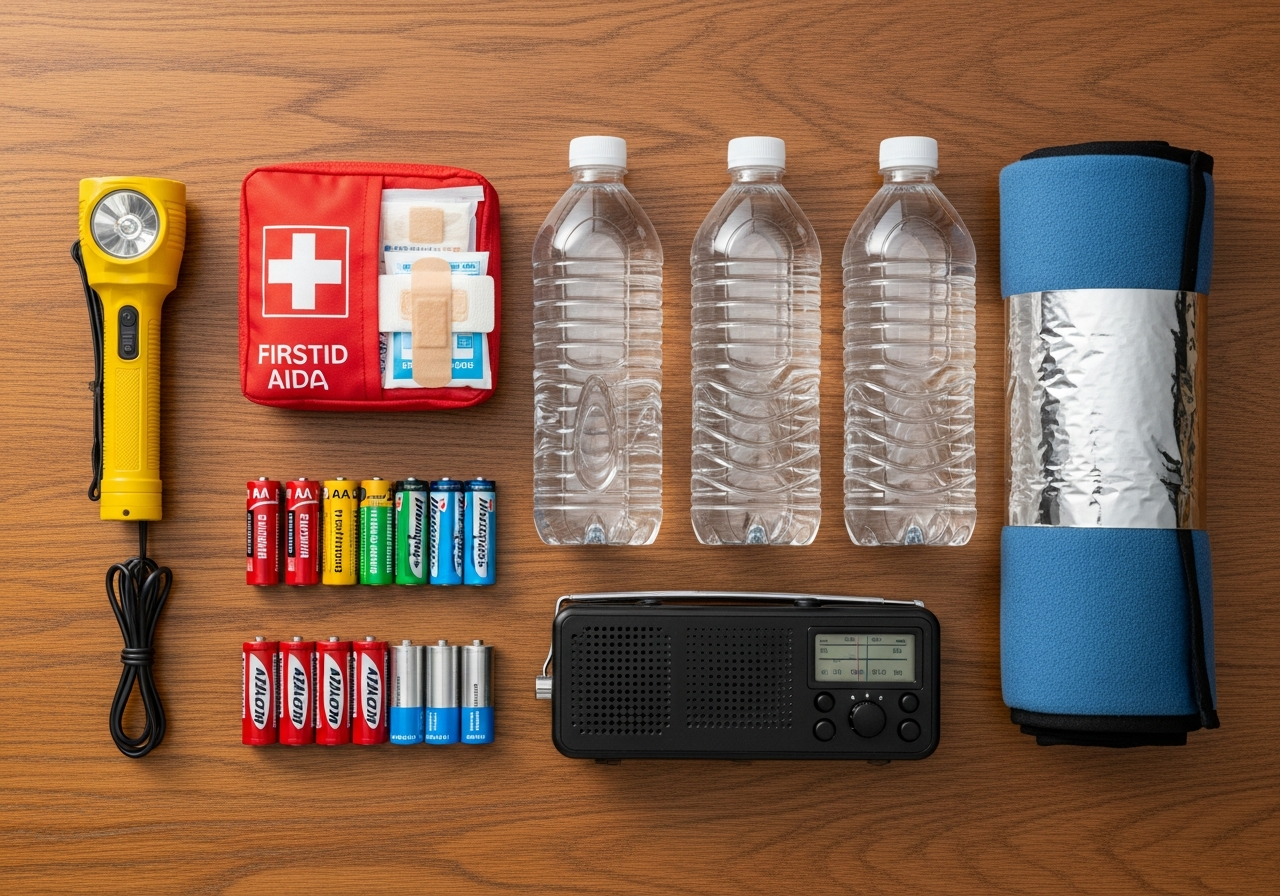
Start with the basics: a **reliable flashlight** with extra batteries, a **hand-crank or battery-powered radio** for news updates when the power is out, a **first aid kit** for treating minor injuries, and **emergency blankets** that retain body heat. A **power bank** keeps your phone charged for communication, and a **water purification** solution ensures safe drinking water.
Tips for Emergency Preparedness
- Store your kit in an easy-to-access location — not buried in the basement
- **Check and refresh supplies every 6 months** — batteries expire, medications expire, water should be rotated
- Keep a **whistle** on your kit for signaling in an emergency
- Include a **multi-tool** for versatile problem-solving
- Make sure every family member knows where the kit is stored
Common Mistakes to Avoid
- Assuming emergencies won't happen to you — they can happen anywhere
- Letting batteries die in storage — check them regularly or use lithium batteries with 10-year shelf life
- Forgetting to include medications, copies of important documents, and cash
- Not having a plan — a kit is great, but every family needs a meeting point and communication plan
This home emergency preparedness kit gives you peace of mind knowing you're ready for whatever comes.